/ Roster

The artists.

Artists credited across the current BHouzMuzikGroup Bandcamp catalog.

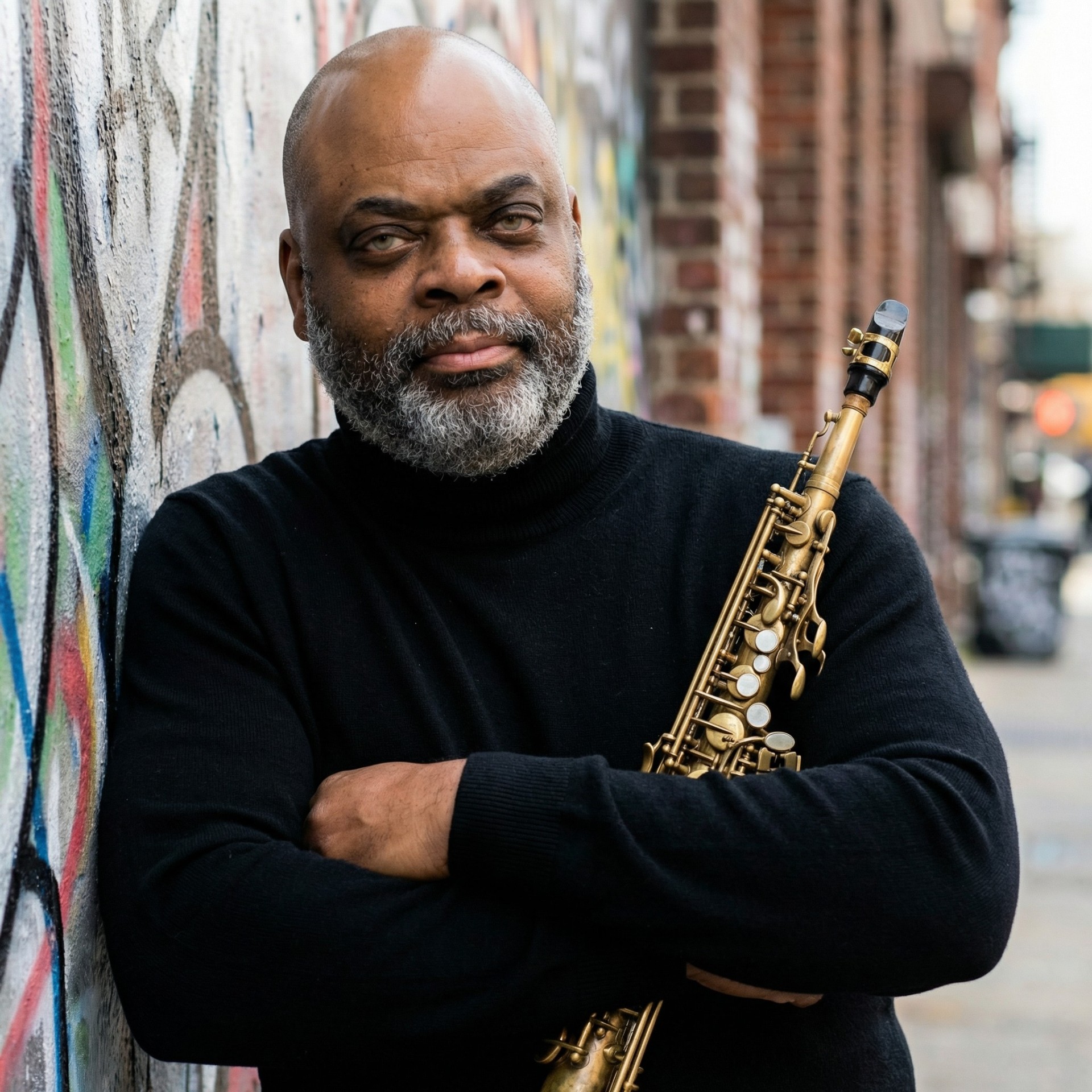
Portrait of Memphis Kiyote (Memki)

BHouzMuzikGroup artist

Memphis Kiyote (Memki)

SIQA Verified Profile

Artist | Songwriter | Composer | Producer | Creative Visionary Memphis Kiyote is a Los Angeles-born, Southern California-based artist, songwriter, composer, and producer whose connection to music began long before he entered a recording studio. Growing up in a home filled with Motown, soul, and AM/FM radio, Memphis and his siblings formed a family singing group, learning harmonies and rehearsing dance routines in front of an eight-foot stereo console. Family gatherings often turned into impromptu performances, with the siblings singing and dancing for relatives and friends, transforming their living room into their first stage. Those early experiences shaped his appreciation for melody, rhythm, and expression. He learned clarinet, piano, and soprano saxophone, developing an intuitive approach to music guided as much by instinct and emotion as by technique. For Memphis, every song begins with an unspoken feeling he’s trying to put into sound. He doesn’t write simply to be understood; he writes to be felt, allowing music to express what words cannot and trusting listeners to find their own meaning within it. That philosophy took on deeper meaning in the early 1990s when he composed “Somalia,” a musical response to the tragedy unfolding in the country. During a studio session, a friend hearing the composition for the first time broke down in tears. When Memphis asked if he was okay, his friend explained that the music reminded him of a brother he had lost. The experience stayed with Memphis, reinforcing his belief that a single note, key, or chord can reach places within us that words cannot. Everyone, he believes, has a sound that moves them, even if they cannot explain why. In the 1990s, Memphis founded KGMG — Kente Global Media Group, laying the creative foundation for what would eventually become BHouzMuzikGroup (BHMG). For him, “Houz” means home — a place where music, individuality, and artistic freedom coexist, bringing his own catalog together with the creative voices of other artists. Now rooted in Southern California’s Inland Empire, Memphis creates at the intersection of neo-soul, contemporary R&B, jazz, and cinematic musical expression. His signature sound often lives in the midnight hours: intimate, unhurried compositions shaped by warm Rhodes piano, expressive soprano saxophone, upright and electric bass, orchestral strings, guitars, horns, and hand percussion, with influences from house and contemporary soul. His arrangements favor emotional development over predictable climaxes. Refrains, call-and-response passages, instrumental solos, expressive bridges, and extended outros allow each composition to breathe, unfold, and tell its own story. Memphis embraces a Human + AI Hybrid approach to production, combining traditional musicianship with emerging creative technology. His compositions often begin with original melodies, harmonies, rhythms, and arrangements developed through his own musical instincts and digital production techniques. Selected works are then further explored and refined using AI-assisted creative tools. For Memphis, technology is simply another way to explore the music he hears and feels inside, bringing his ideas to life without losing the emotion, imagination, and personal connection that inspired them in the first place. His 15-track project, It’s Time, Call It, brings these influences together, reflecting a lifetime of musical exploration, personal expression, and an openness to new creative possibilities while remaining connected to the traditions that first inspired him. For Memphis Kiyote, music has never been only about the notes being played or the words being sung. It’s about what happens inside someone when they hear them.


Portrait of Hollis Renard

BHouzMuzikGroup artist

Hollis Renard

SIQA Verified Profile

Hollis Renard is not a real person. He is a fictional character created and released by BHouzMuzikGroup LLC. His vocals are AI-generated (Suno). His music combines material from Mel Brannon’s own music catalog with AI generation, and every image of him is AI-generated. The human work behind him is the concept, the lyrics, the direction, the selection and editing of every take, the mastering decisions and the release, by Mel Brannon. The full breakdown is under AI disclosure and credits. The biography below is character writing. It describes the character and the music. It does not describe a real person’s life, and it claims no live shows, tours, awards or chart positions. Hollis Renard makes soul with the daylight left in. Renard is French for fox, and the name came from the hair: a honey-and-russet crown of curls you can pick out from across a room. The music is quieter than the hair. Hollis Renard is a soul singer who would rather ask a question than make a speech. His debut album, Echoes Of You, runs eleven tracks and forty-eight minutes. It opens with Good Day Declaration, a mid-tempo morning song in F major, and it closes on its title track, a 65-BPM slow burn in A minor and the slowest thing on the record by a distance. In between, the album keeps changing the light. More than half of it sits in major keys. Five of the titles are close to jokes: Wah-Hoo-Wah, Strawberry Licorice, If I Was Superman, Lazy on the Pontoon, U Problem. The heavier songs land harder because of that. Even When I Knew and A Heart Upside Down are about seeing it coming and staying anyway. Older Than My Father carries a title most singers would save for their fortieth birthday. Unspoken Love, at 103 BPM the quickest track on the album, is also the most dynamic, with the widest gap between its quietest and loudest moments, as if the song keeps almost saying the thing. The sound is warm soul with a live-band feel. Hammond, bass, drums and saxophone sit close around a vocal that never pushes. Since the album he has kept writing lighter. Hey Cutie does what the title promises. Grown Folks Rhymes takes the nursery rhymes everyone learned as a child and follows them into adulthood. Humpty Dumpty loses it all to pride and builds something new from the pieces. Jack and Jill chase money and time up the same hill. Mary gets her own keys and learns what boundaries mean. “Same rhymes, different life.” He dresses in white, denim and bone. He writes in a notebook with a coffee going cold. He is in no hurry to be loud. Soul with the daylight left in.

Portrait of Noah Langston

BHouzMuzikGroup artist

Noah Langston

SIQA Verified Profile

Noah Langston is not a real person. He is a fictional character created and released by BHouzMuzikGroup LLC. His vocals are AI-generated (Suno). His music combines material from Mel Brannon’s own music catalog with AI generation, and every image of him, including the cover art, is AI-generated. The human work behind him is the concept, the lyrics, the creative direction and the release decisions, by Mel Brannon (Memphis Kiyote). The full breakdown is under AI disclosure and credits. The biography below is character writing. It describes the character and the music. It does not describe a real person’s life, and it claims no live shows, tours, awards or chart positions. Noah Langston is the quiet voice in the room that somehow says the most. A contemporary R&B and neo-soul artist built around emotional honesty, restraint and mature storytelling, Noah makes music for the conversations people have when there is nowhere left to hide. Love. Marriage. Desire. Distance. Devotion. Heartbreak. Forgiveness. Regret. Walking away. Finding your way back. His music doesn’t chase emotion. It lets emotion arrive. Noah is the grown man’s voice on BHouzMuzikGroup: capable of loving deeply, admitting when he hurts, questioning a relationship, accepting responsibility, and protecting his peace when love becomes painful. He doesn’t need to shout to be heard. Sometimes the strongest line is the one almost whispered. The records live on the slow, intimate side of R&B. The arrangements are built to breathe, with silence treated as part of the instrumentation. Choruses deepen the statement instead of turning into a different record, and the outros let the feeling stay in the room after the last word. The lead single, Don’t Ask Me, is a duet with Rue Solace and a single scene: a kitchen after midnight, two cups of coffee gone cold, one person asking the question and the other already knowing what the answer will cost. “Some questions carry loaded answers,” Noah sings, and the song refuses to name a villain. Cakes & Candles turns a birthday into an audit of who shows up for the frosting and who stays when the room goes dark. He can be the man at the altar promising forever. He can be the husband lying beside someone who no longer reaches for him. He can plead, he can own his mistakes, and he can still love someone while knowing he has to leave. His music is for listeners who have lived long enough to know that relationships aren’t only about falling in love. They’re about what happens after. Staying. Changing. Hurting. Healing. Choosing. And sometimes letting go. His vulnerability isn’t weakness, and his restraint isn’t a lack of feeling. The restraint is the feeling. He doesn’t sing at you. He sits beside you, and tells the truth.

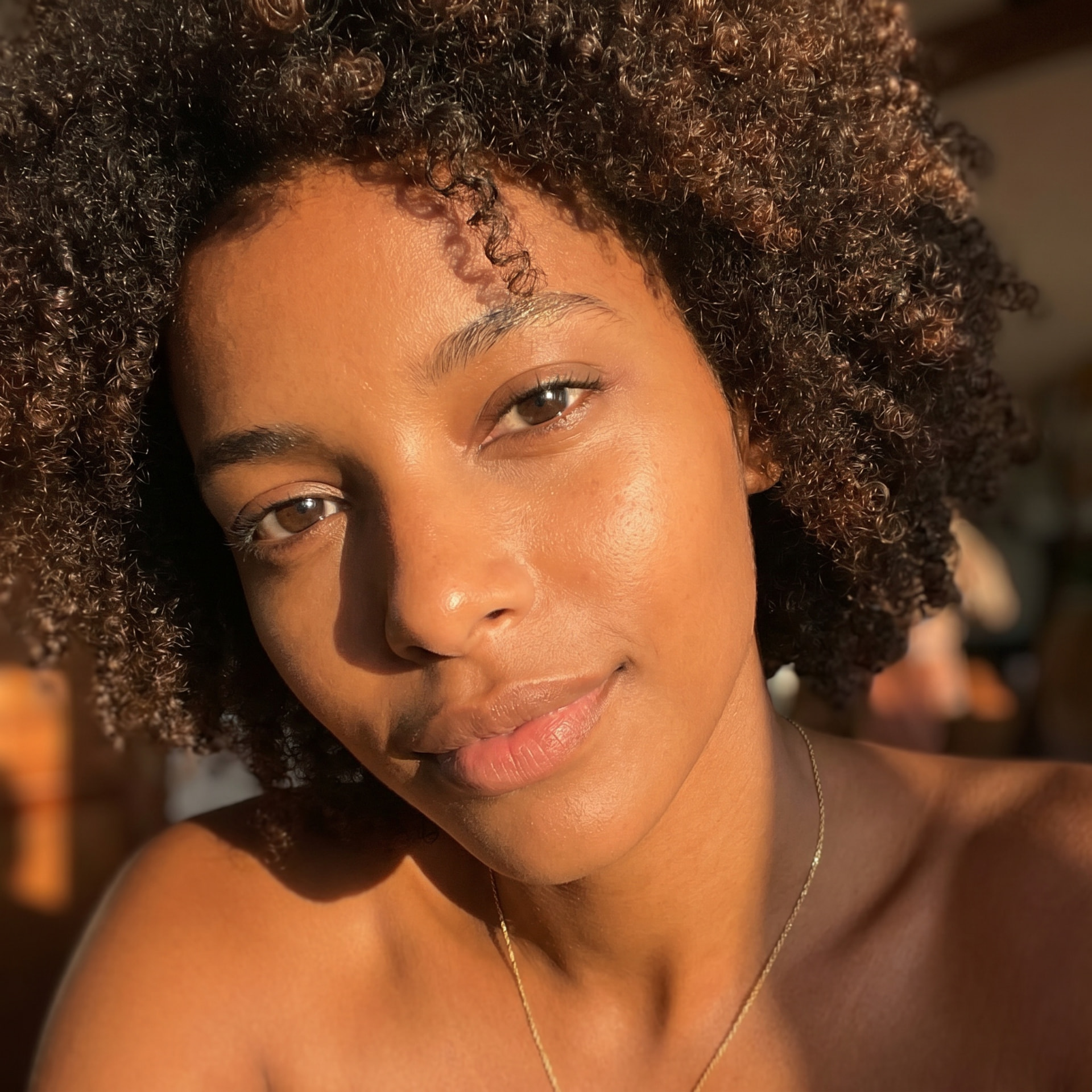
Portrait of Rue Solace

BHouzMuzikGroup artist

Rue Solace

SIQA Verified Profile

Rue Solace is not a real person. She is a fictional character created and released by BHouzMuzikGroup LLC. Her voice is AI-generated (Suno). Her music combines material from Mel Brannon’s own music catalog with AI generation, and every image of her is AI-generated. The human work behind her is the concept, the lyrics, the production direction and the release decisions, by Mel Brannon. The full breakdown is under AI disclosure and credits. The biography below is character writing. When it describes “the photographs”, it means AI-generated images of a fictional woman. It claims no live shows, tours, awards or chart positions. Her name is an argument that grief and comfort are the same room at different hours. Rue is the herb Ophelia hands out for remembrance — the bitter one, the one you plant for what you can't undo. Solace is what comes after. Putting them side by side isn't a pretty accident; it's a description of how the songs are built. Something hurts, and then something holds it. Until The Silence Spoke is the clearest example. It runs five minutes and forty seconds in D minor at 66 beats a minute — slower than almost anything on the radio — and it does something most singles are too impatient to try. It starts quiet and it never stops rising. The opening minute sits about twelve decibels below the last one. There is no drop, no hook slammed in at 0:15. There is a woman talking herself toward saying the thing, and a room slowly filling in behind her until she does. The production matches the patience. It is dark and low-lit, weighted toward the bottom of the spectrum, with almost nothing bright or brittle in it. The image is close rather than wide — she is in front of you, not spread across the room. It is a recording that assumes you are alone and listening properly. The photographs tell the same story in two temperatures. Half of them are warm: low sun through old windows, bare feet on wooden floors, a white t-shirt, a book, a room that has been lived in hard enough to peel. The other half are cold: a grey bridge in a heavy coat, an empty wet road at blue hour with the streetlights doubled in the water. Rue in the cold frames. Solace in the warm ones. One thin gold chain in nearly all of them. What holds it together is restraint. She isn't a belter and doesn't want to be. She is a builder — someone who trusts a song to arrive on its own schedule and trusts you to stay until it does. The silence gets the first word. She takes her time with the second one.